New intoxicating hemp products and kratom regulations in Oak Park
Published on May 22, 2025
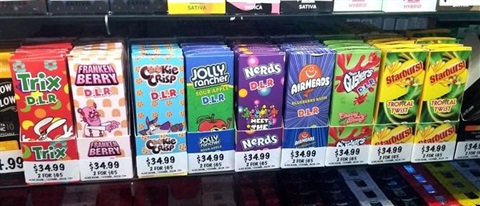
Starting June 1, the Village of Oak Park will place regulations on the sale of intoxicating hemp products, which include items like gummies, chips and snacks infused with Delta-8 THC, as well as products containing kratom. While these products are legal in the United States and are available for sale without regulation outside of Oak Park, Village regulations will include:
- Prohibiting the sale of these products to individuals under 21 years old,
- Requiring the use of plain packaging, and
- Locating the products in a locked case or behind the counter.
The Village is implementing local regulations on intoxicating hemp and kratom to establish safeguards to ensure children are not able to purchase these items and do not mistake them for popular snack foods or candy. Along with implementing this ordinance, the Village will educate the public about intoxicating hemp and kratom to raise awareness of the potential negative health effects of these products. Education will also remind adults to store any of these products out of the reach of children.
The new regulations effective June 1 do not have any impact on the current regulations in place concerning sale, possession or consumption of cannabis under the Compassionate Use of Medical Cannabis Program Act or the Cannabis Regulation and Tax Act.
Intoxicating hemp products
Intoxicating hemp products have added THC derived from the hemp plant. The most common form sold in our community is delta-8 THC, which is chemically very similar to the primary psychoactive compound found in marijuana, and produces similar feelings of euphoria and relaxation.
Intoxicating hemp products present public health concerns for several reasons:
- They do not undergo the testing required of regulated THC products in Illinois, which means that there is no information about the levels of THC, pesticide chemical residue, residue solvent, microbiological contaminants, or mycotoxins in these products.
- They have not been evaluated or approved by the Food and Drug Administration (FDA) for safe use in any circumstance.
- They can be sold by establishments that are not licensed to sell THC products.
- They can be sold to customers of any age.
- They may be marketed in ways that are enticing to children. For example, the product and packaging may mimic popular snacks and candies. This practice has resulted in increased calls to the National Poison Control Hotline regarding ingestion of intoxicating hemp products by children and increased hospital admissions.
Intoxicating hemp products exist in a legal loophole because of how delta-8 or delta-10 THC distillate is derived and produced. The 2018 Farm Bill legalized hemp and hemp-derived compounds at the federal level, but did not explicitly address hemp-derived THC. Because it is derived and synthesized from legal hemp, many states have not regulated or banned these products. This lack of clear regulation has allowed intoxicating hemp products to proliferate. However, many individual localities and states are now acting to either restrict or ban the sale of intoxicating hemp.
Kratom
Kratom is an herbal extract that comes from the leaves of an evergreen tree called Mitragyna speciose, which grows in Southeast Asia. It has stimulant effects including alertness, rapid heart rate, and increased energy. It can also cause effects like relaxation, confusion, and pain relief similar to opioids and sedatives. However, kratom’s effects on each individual depends on how much is taken, the concentration, how it is taken (capsules, powder or tea), and the individual’s medical conditions and drug-taking history.
Public health concerns regarding kratom include:
- Kratom has not been evaluated or approved by the Food and Drug Administration (FDA) for safe use.
- Mixing kratom, other opioids, and other types of medication (both prescription and over-the-counter) can be dangerous, and even fatal.
- Kratom is known to be addictive. Withdrawal effects similar to narcotic withdrawal and drug-seeking behaviors have been described in users in Southeast Asia. Many Southeast Asian countries have restricted the use of kratom due to the potential for abuse.
- In 2018, a multi-state outbreak of salmonella illness was linked to kratom.
In Illinois, kratom is legal for individuals over the age of 18, as established by the Kratom Control Act enacted in 2014. This legislation prohibits the sale of kratom to minors but does not classify it as a controlled substance. Illinois also mandates specific labeling standards, requiring accurate ingredient lists and clear information about effects and usage guidelines. This transparency aims to inform consumers and prevent misleading claims.
Learn more about intoxicating hemp, kratom and Oak Park’s regulations at www.oak-park.us/thc or email hemp.ordinance@oak-park.us.